Resilience Through Autonomous Transformation — “OS Change” in Infrastructure and Organizations
Both the growing severity of natural disasters and the rise in aging infrastructure have become major social challenges impacting corporate business continuity plans (BCP).
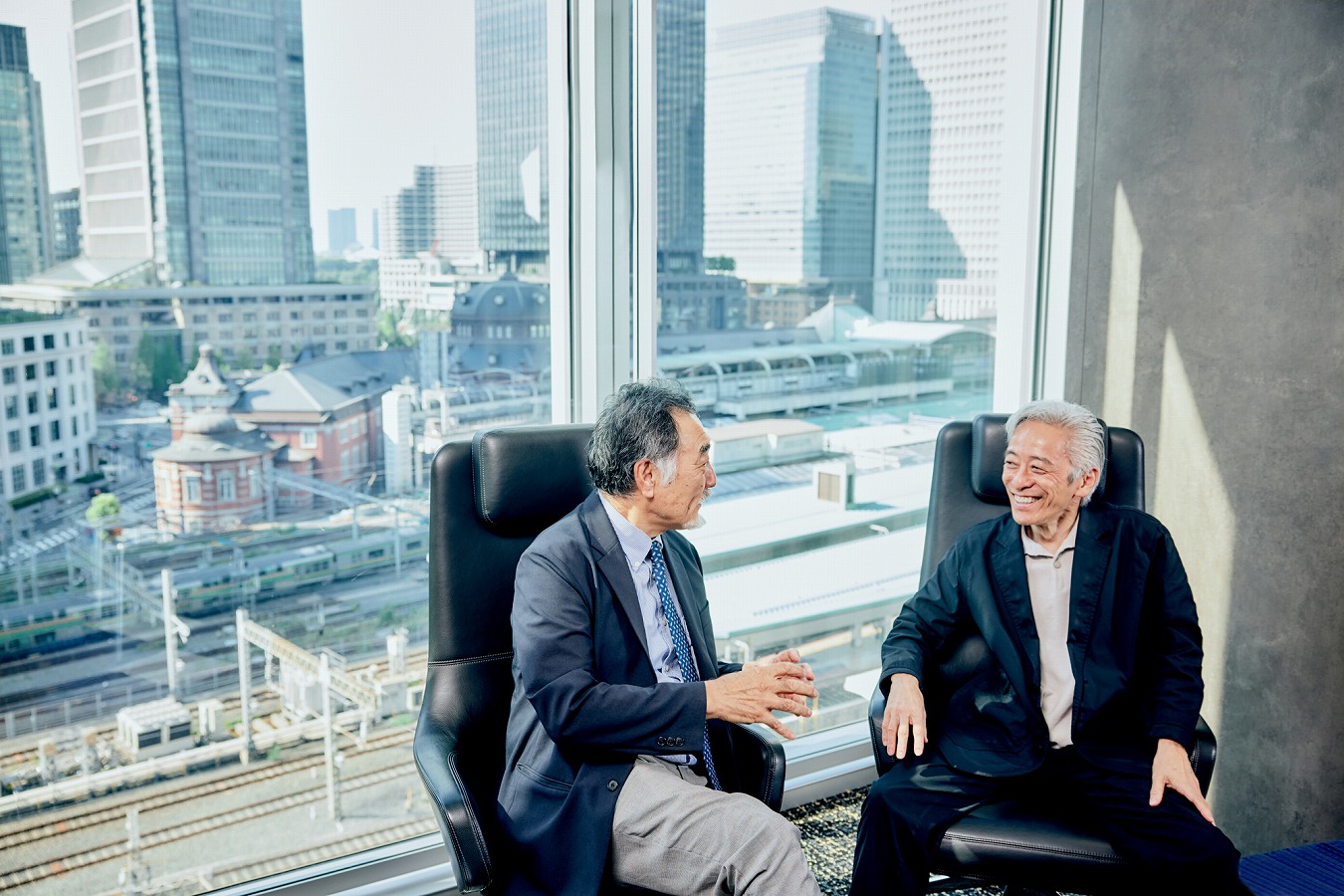
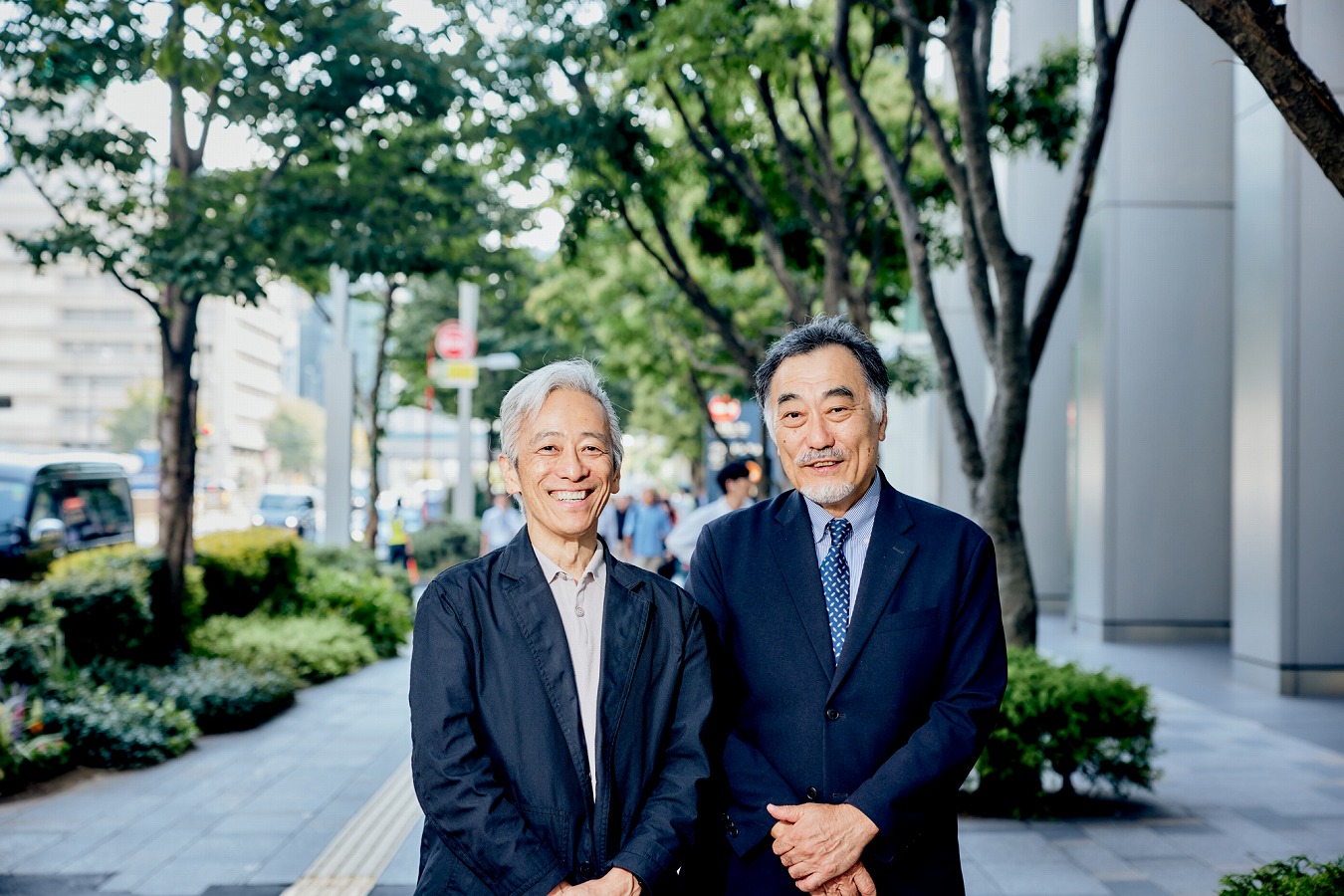
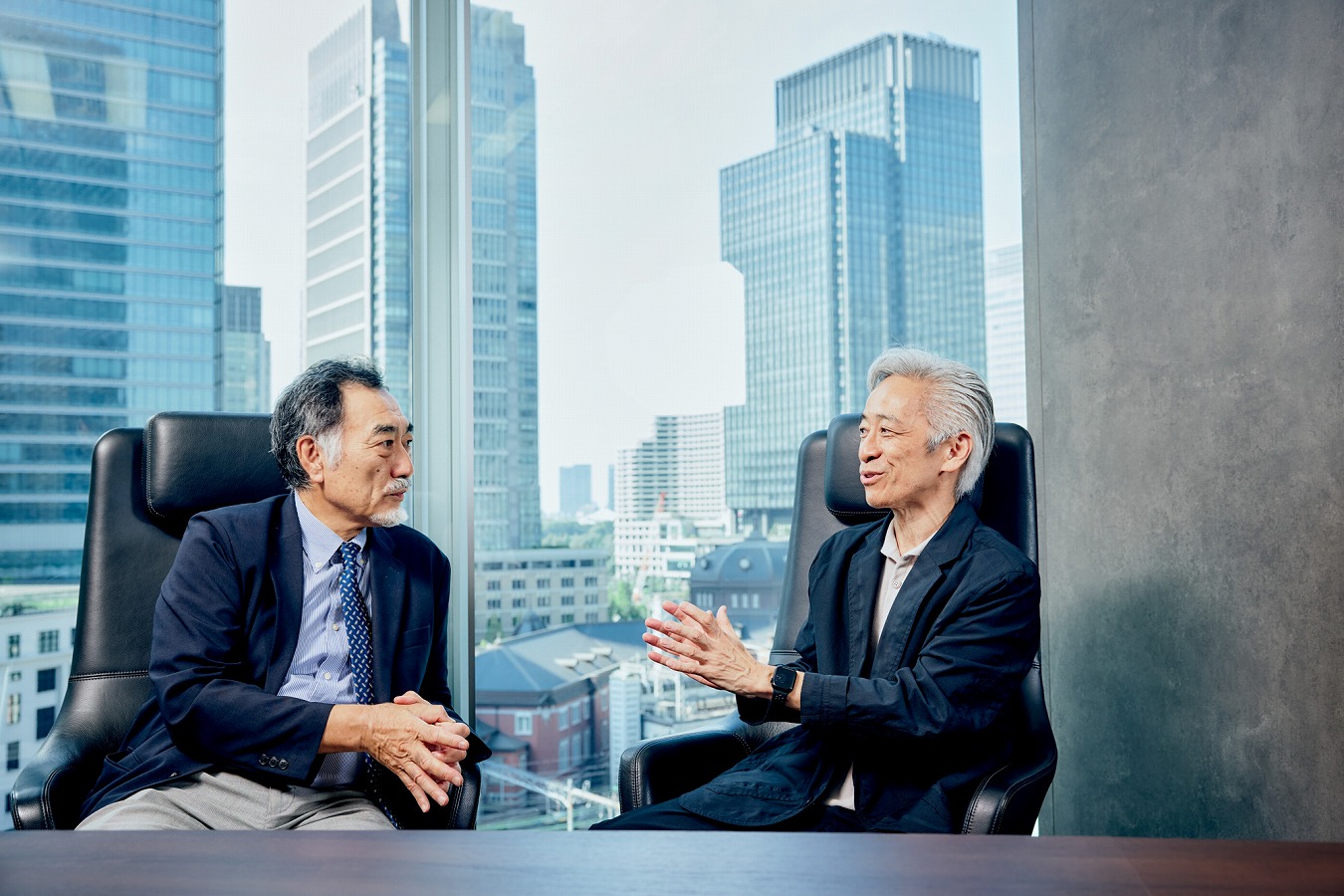
To explore the challenges and future of Japan’s infrastructure, IGPI Group CEO Takashi Takashi Muraoka sat down with Mr. Hitoshi Ieda Hitoshi, member of IGPI Group’s Advisory Board, who conducted special field research in the Noto earthquake area and also chairs the national expert committee investigating the road collapse accident in Yashio City, Saitama Prefecture.
A New Era Demanding a Higher Dimension of Capability
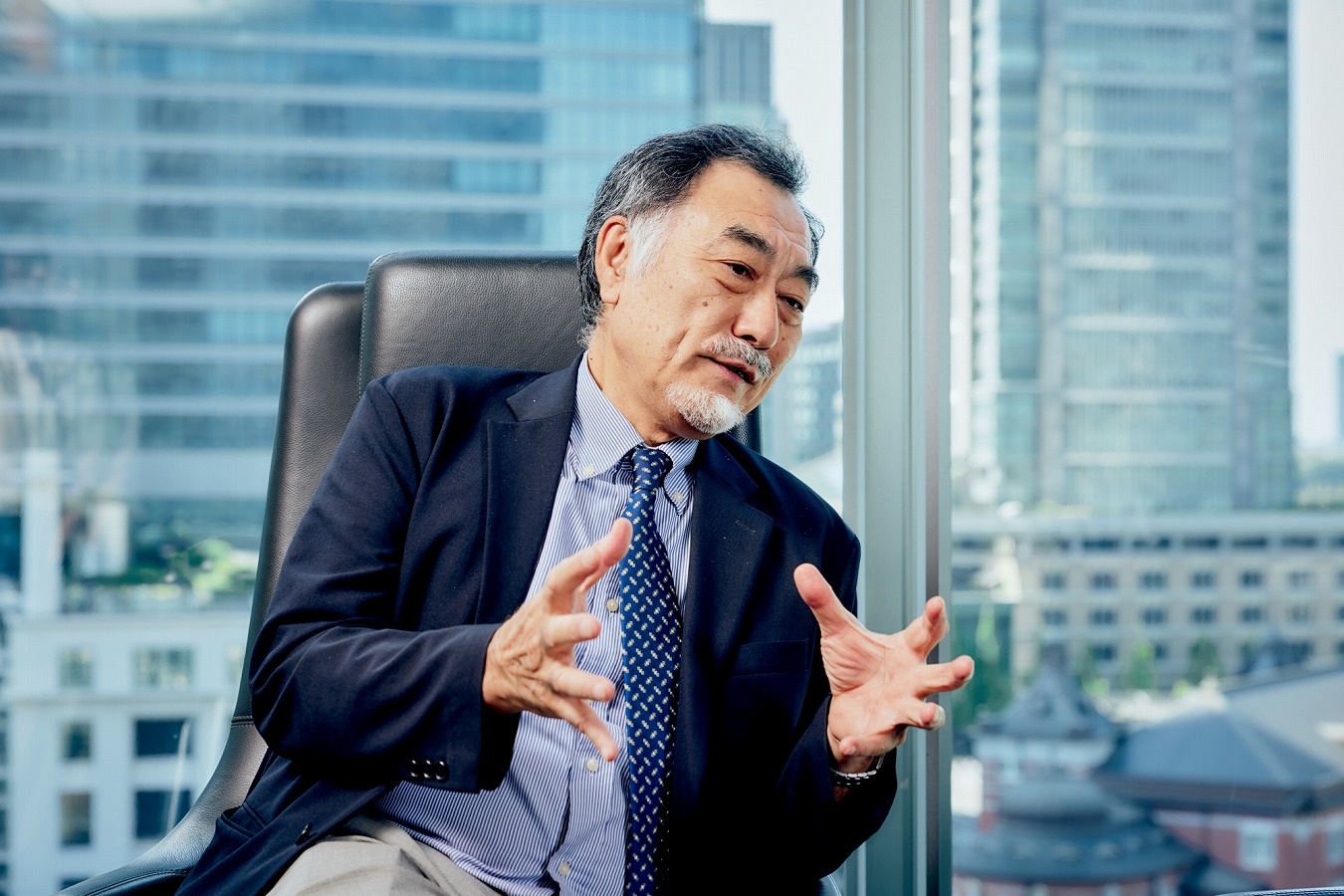
Takashi Muraoka For decades, the Japanese have taken pride in the precision and resilience of our infrastructure—from the Shinkansen to our roads and water systems. Recently, however, that confidence has begun to waver. During the Noto earthquake, our recovery efforts fell short of expectations, while reports indicated that regions such as Taiwan and Italy achieved more swift and effective recovery operations. How is Japan’s infrastructure management viewed from a global perspective?
Ieda Hitoshi Japan’s infrastructure used to be highly regarded. It was seen as efficient, safe, and accurate. However, we now live in an age of frequent natural disasters. Many facilities built during the postwar period have reached 60 or 70 years in age, and deterioration has become evident—leading to tragic accidents such as the Sasago Tunnel ceiling collapse and the Yashio road cave-in. Alarmingly, we have even seen casualties among those conducting post-accident inspections. The world now demands a completely new level of capability from what once defined “good infrastructure.”
Takashi Muraoka Is that challenge unique to Japan—or is it a global issue?
Ieda Hitoshi It is a global challenge, but Japan faces it more acutely. For example, in Japan, double-track railways are designed strictly for one-way operation on each track. In Europe, two single-track lines are often operated side by side—allowing night maintenance by single-tracking operations. Such flexibility is built into the system from the beginning.
Takashi Muraoka So even when infrastructure appears similar, the underlying design philosophy may differ fundamentally.
Ieda Hitoshi Exactly. In Japan, roads are built based on normal demand rather than peak demand.
By contrast, in China or the U.S., major roads leading to airports often have six lanes on each side. This ensures there is always an alternate route—so that travelers never miss a flight, even if an accident occurs. Such “built-in redundancy” reflects foresight and a broader, more generous mindset—qualities Japanese design often lacks.
Transforming Autonomously in Times of Peace
Takashi Muraoka When people hear the word “infrastructure,” they often think only of the physical assets. But you have said that what truly needs improvement is the operating system (OS)—the mindset and processes of the people behind it.
This concept of an “OS Change” also applies to corporate management. Leaders today must upgrade their organizational OS by integrating AI and fundamentally overhauling how they operate.
Ieda Hitoshi I agree completely. New technologies like AI certainly change what we can do, but the deeper issue lies in the accumulation of outdated practices that have hardened over time and now constrain us. Those who stop thinking simply drift along, while those who do think tend to accept these constraints as immovable premises. But when the premises themselves shift dramatically, optimizing within the old framework is no longer enough.
We must break the existing system and discover something new from within that disruption. This is especially difficult in hard infrastructure, where sheer volume and legacy slow everything down. Over the past 30 years, Japan has fallen into what I call a state of Legalistic Perfectionism.
Takashi Muraoka What do you mean by that?
Ieda Hitoshi “Legalistic” refers to governing strictly according to rules; “Perfectionism” means the belief that those rules are flawless. People convince themselves that the system they created is inherently correct, that they have done their best within it, and that any contradiction must be due to external factors. Even when change is clearly required, they look for causes everywhere except within themselves.
Takashi Muraoka In corporate management, competition is a fundamental reality. Losers are driven out of the market and forced to transform in some way. The real question is whether a company can reform itself autonomously even when the competitive environment is benign. The reason this is so difficult for many Japanese companies is that they have meticulously built systems through internal coordination and alignment not only within their organizations but also with external partners and customers. Unless they have the will to dismantle those systems themselves, they cannot evolve—and before they know it, they lose in competition. Infrastructure, too, including its legal frameworks and physical systems, has likely been shaped through this kind of coordination. When a major natural disaster or war destroys it, people accept it as “inevitable.” But in the absence of such external shocks, how can we rebuild it on our own initiative? I understand your idea of an “OS Change” as a call to address precisely this challenge.
Ieda Hitoshi When implementing internal transformation, it would be preferable if team members were aligned from the start, but that is rarely the case. Is it therefore up to top management to set the course and lead the way?
Takashi Muraoka Indeed. Leadership takes many forms—some leaders are visionary, while others rely not on charisma or showiness but on the trust they inspire. However, transformation never starts unless the leader sets the course and takes the first step.
Ieda Hitoshi In the past, Japan had strong, driving leaders like Konosuke Matsushita and Soichiro Honda. How do you view the current state of leadership in Japan’s business community?
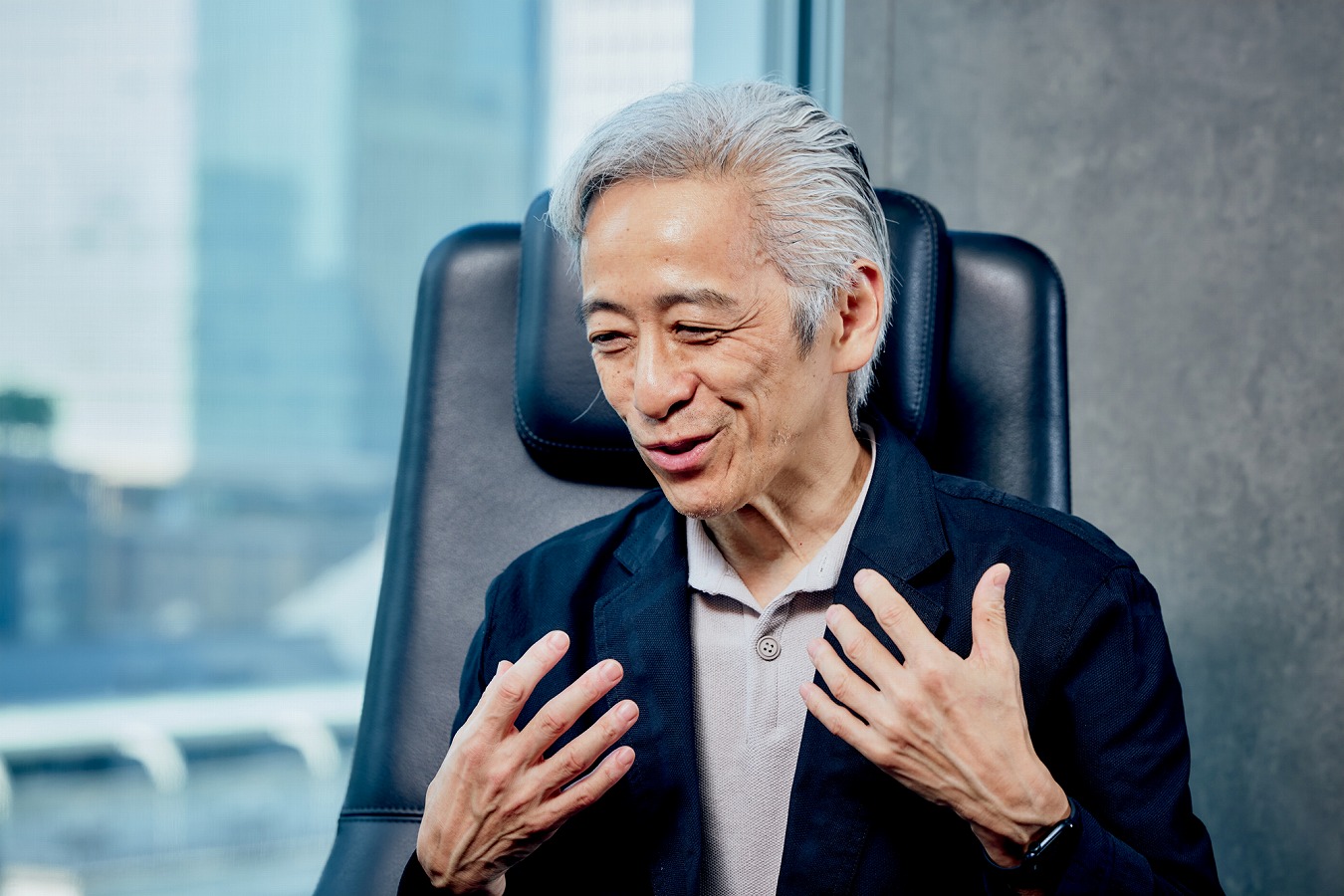
Takashi Muraoka Speaking candidly, I must say that Japan’s leadership capacity has clearly declined. A frequently cited example is the World Competitiveness Ranking published by IMD in Switzerland. During the bubble years, Japan ranked at the very top globally, but by 2025 it stands at 35th out of 69 countries. In the past, people used to say that Japan’s politics were third-rate, while its private-sector management was first- or second-rate. Yet when you break down the factors today, it is corporate management that is dragging us down—ranking close to the bottom among those 69 countries.
In my view, the cause lies in weak decision-making and poor execution. Management is, after all, a continuous cycle of setting strategic direction, making decisions, and executing them. In the past, we were trapped in “Galapagos-style” domestic competition, which made our strategies inherently weak. Now that information gaps have narrowed and AI can even formulate strategies, the real contest has become one of decision-making capability and execution power.
Bringing in Outside Perspectives to Enhance Quality
Ieda Hitoshi After the war, Japan was rebuilding from nothing, so we built infrastructure rapidly. When the path forward is clear, everyone applies their wisdom—but sadly, once the basics are in place, cracks start to show. The sewer system is a typical example. While the coverage rate now exceeds 90%, in reality, if a single pipe were to fail, a quarter of Saitama’s population would lose access. As seen in cases like Yashio, we have not invested sufficiently in ensuring quality and preparedness for emergencies.
Ordinary people like myself tend to focus too much on what’s “trendy” and overlook what truly matters. That’s why both companies and government agencies need to bring in “outsiders”—people who can say, “That’s not right,” or “We can’t afford to ignore this.”
Takashi Muraoka Put simply, what you’re saying is that diversity is essential.
Ieda Hitoshi When I was in my thirties, I visited Mercedes-Benz’s headquarters and factories in Germany. As expected, they had outstanding facilities and produced high-performance products. What surprised me, however, was that in addition to specialists in engines, mechanical engineering, and tires, they also included a small number of people from completely unrelated fields such as aesthetics and philosophy. Their role was to think about questions like, “What direction should our products take in the generation after next?” and “Is what our company is doing truly right for society?” As an industry leader, Mercedes operates on a different level—one that goes beyond the pursuit of efficiency or financial outcomes, reflecting a fundamentally higher order of thinking.
Takashi Muraoka That is something increasingly being called for in management. In particular, as knowledge becomes replaceable by AI, we must ask what role humans should play. What AI cannot do is make decisions, act on them, and take responsibility for the outcome. What becomes essential, then, is a company’s own guiding principles—not only the pursuit of profit, but also how to incorporate aesthetics, sensibility, and, more broadly, culture into organizational decision-making.
Ieda Hitoshi I completely agree. I often use ChatGPT myself. When I engage with it, it provides knowledge that I would normally have to ask an expert for, allowing me to experiment and explore various ideas.
Takashi Muraoka I also bounce ideas off ChatGPT, but I often ask myself whether I should make decisions based on the knowledge I gain from it—and whether others would find those decisions convincing.
Ieda Hitoshi Do you find that your interactions with ChatGPT differ from those with your subordinates?
Takashi Muraoka Human subordinates bring firsthand information, whereas ChatGPT provides only secondary information. ChatGPT can tell you, for example, that “this restaurant is good,” but a subordinate has actually eaten there, so the quality of information is entirely different. A person who cannot convey firsthand insights—such as how their heart was moved by that dining experience—will eventually lose their value. In particular, white-collar workers whose main role is to process and relay secondary information will be replaced by generative AI. In contrast, in infrastructure management, jobs that involve handling firsthand information through physical work—such as those performed by essential workers—may be more difficult to replace.
Ieda Hitoshi At the field level, labor shortages are driving technological development aimed at automating physical tasks, but not everything can be replaced. The work that will remain for essential workers involves not only measured data, but also information captured through experiential intuition or “gut feeling.” For instance, they also pick up informal bits of knowledge—like something “the lady down the street mentioned”—and when all these pieces are combined, new value emerges. That’s something only humans can do. Do you have any advice on how to cultivate such people?
Takashi Muraoka I believe that exposing people to tough, high-pressure situations early in their careers helps cultivate that kind of human strength. By repeatedly making decisions and taking responsibility under pressure and tension, people will grow and develop as individuals.
Ieda Hitoshi In our field as well, it is crises and accidents that truly shape people. For example, when a railway accident occurs, we must immediately identify the cause, prevent recurrence, and resume operations. The ability to do so does not depend on one’s position or motivation, but rather—at least in my view—on whether the person can find the situation genuinely engaging. Those who habitually think, “Wouldn’t it be interesting if we tried this?” are the ones who perform well even in the midst of a crisis.
Takashi Muraoka It’s the same in business management. A “disaster” in the corporate world is a situation that calls for corporate revitalization. In those moments, seeing it as both an opportunity to transform the organization and a chance to take on something new personally makes all the difference in one’s performance and growth.
We All Share Ownership of Our Infrastructure
Ieda Hitoshi I teach mid-career students at the Graduate School of Project Design, and one of my students is pursuing a hypothesis that beauty and makeup play a decisive role in caregiving. Some colleagues have complained, saying, “Putting makeup on care recipients just makes our job harder,” but I encourage her, telling her, “You’re absolutely right.” For example, sprinters at the World Athletics Championships always perfect their hairstyles and makeup. By thinking, “I’m beautiful, and this beautiful me is about to run,” their adrenaline surges and performance improves. It’s not about vanity or self-satisfaction—feeling “stylish” or finding joy and fascination in what you do, I believe, is one of the true essences of work.
Takashi Muraoka Businesspeople are just like athletes. Every single day, the challenge is how to bring their performance to its highest possible level. Achieving that requires technical effort, of course, but even more important is keeping one’s mind in the best possible condition. That’s why I never skip my morning yoga practice.
Finally, as Japan’s population continues to decline, what kind of infrastructure management will be required in the years ahead?
Ieda Hitoshi To build infrastructure that anticipates and endures even in times of crisis, public support is indispensable. Some people say, “It would be a problem if the sewer system broke and I couldn’t use the toilet, but I don’t want my water bill to go up—government subsidies should cover that.” Yet those subsidies also come from taxpayers’ money. Whether it’s physical infrastructure or any other foundation of society, we must all share in the cost, the use, and the ownership. This sense of “our responsibility” lies at the very core of the infrastructure world. To achieve it, we need full transparency to deepen public understanding, and we must clearly distinguish between what to phase out and what to upgrade within limited budgets. What is required now is rationality, intelligence, and sound judgment—and I believe we stand at a critical turning point for exactly that.
Takashi Muraoka Making well-judged decisions founded on thorough transparency is precisely the essence of management. And when it comes to execution—especially in the age of AI—the true test of leadership lies in the ability to engage and mobilize stakeholders by fostering this sense of “shared ownership.” Listening to you today has reminded me once again of IGPI’s founding philosophy: “Foster world-class management personnel with frontline experience gained from addressing complex business situations.” We are determined to remain an organization that stays true to this principle and continues to contribute to society.